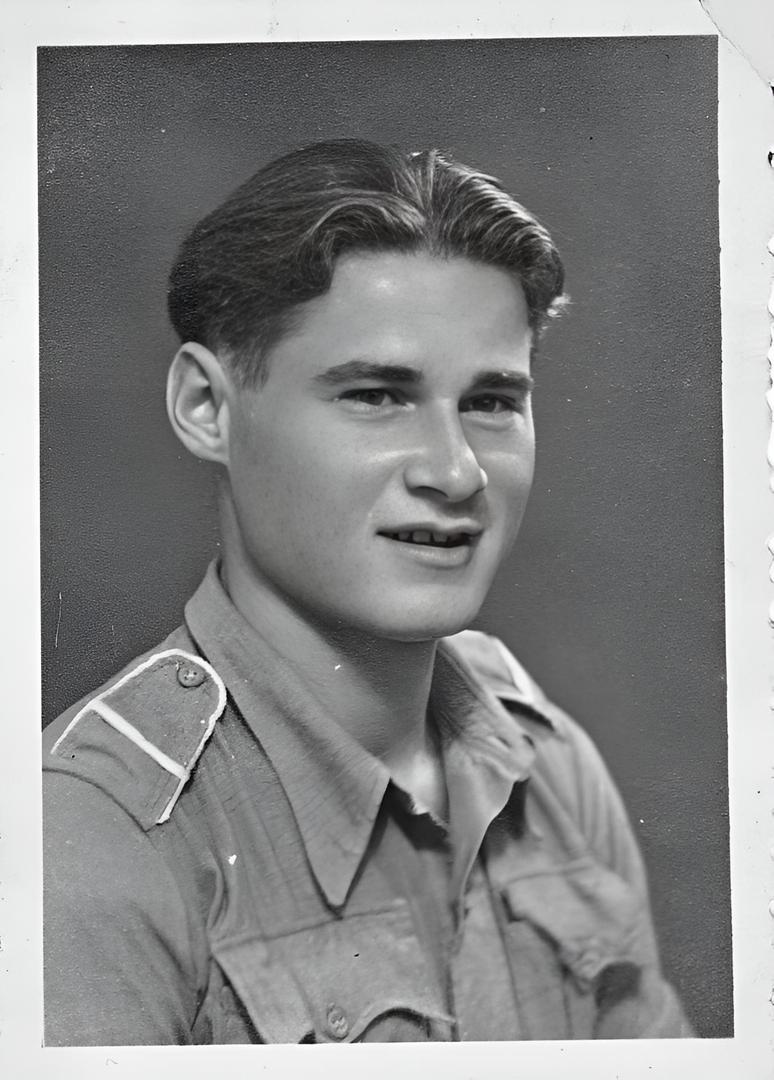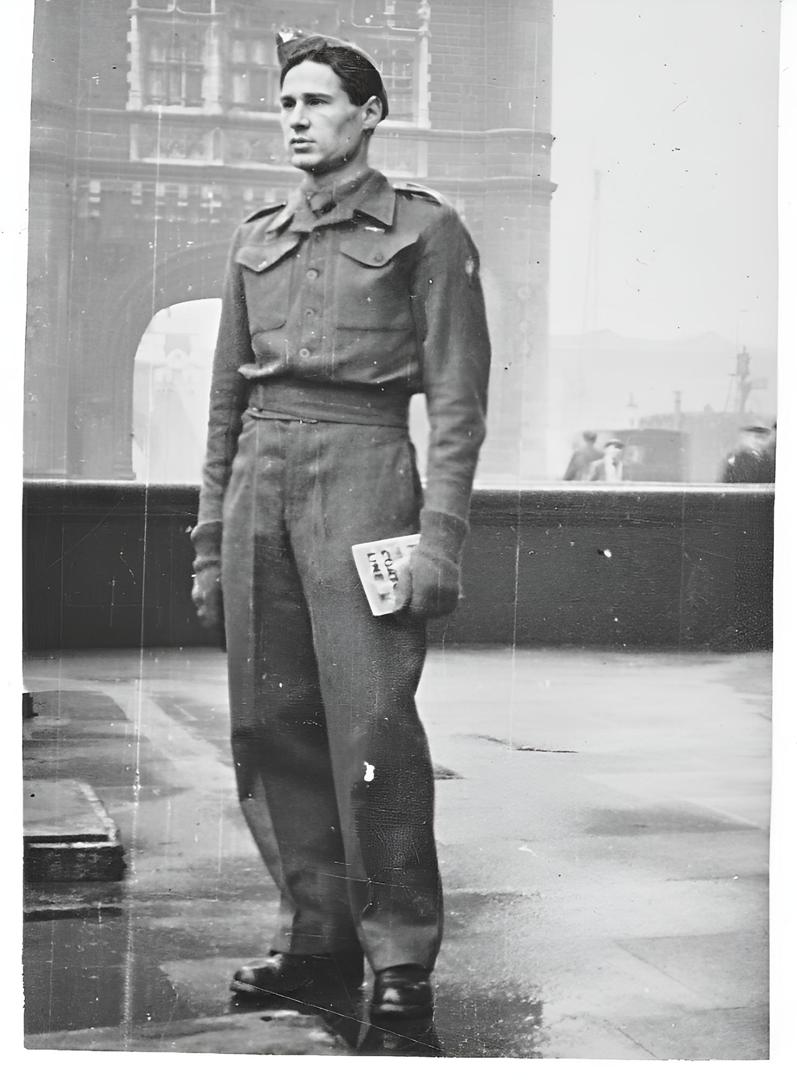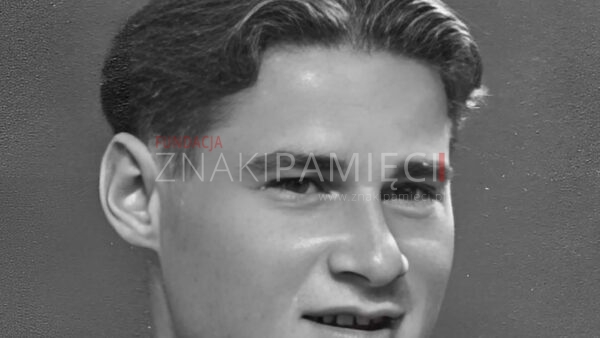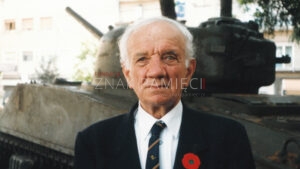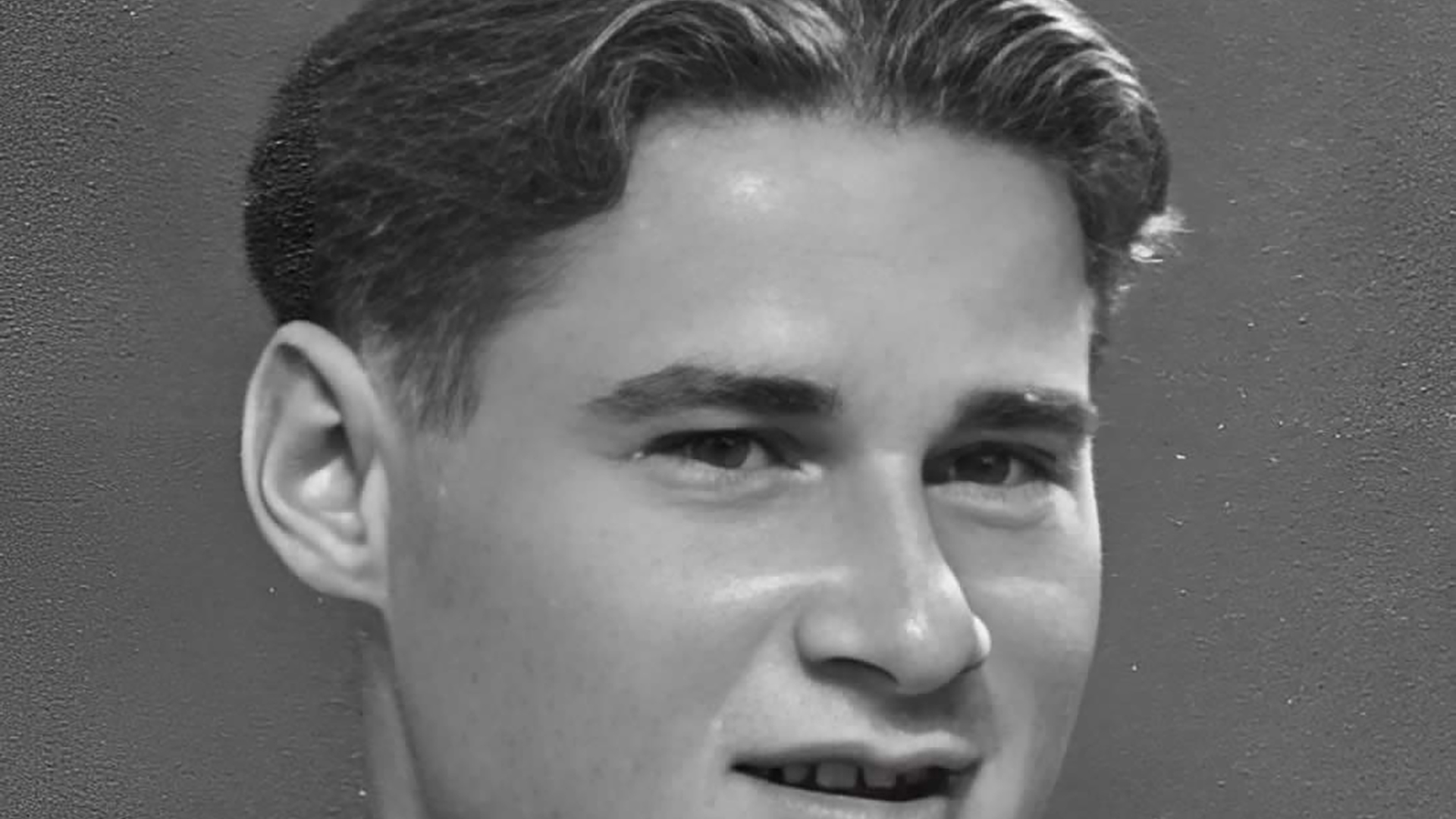
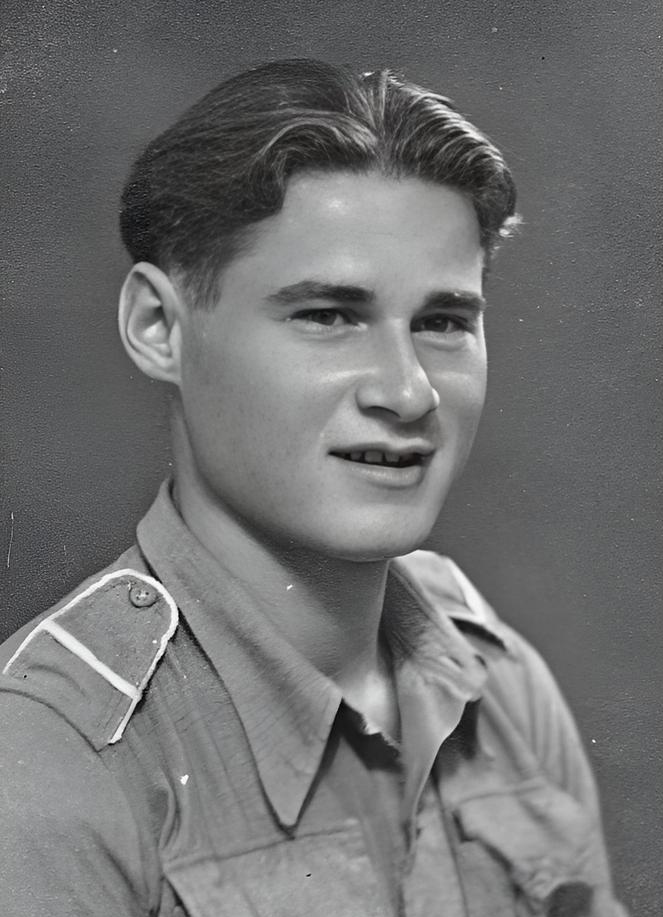
JULIAN RYBARCZYK
- Born in 1921, Olechnowicze (Krasne commune, Mołodeczno district, Vilnius voivodeship)
- Died: October 24, 2016, Alexandria, Scotland
- Parents - Antoni, Józefa (nee Langowska)
- Siblings - Kazimiera, Maria (known as Marysia), Bronisław
- SOURCES: Julian Rybarczyk "Neighbours From Hell", 2010; Kenneth Rybarczyk family archives; Index of Repressed IPN; "Third Carpathian Rifle Division 1942-1987", London 1991; krzyz.montecassino.eu; "Dziennik Polski Dziennik Żołnierza, London"; archive of the Warsaw Uprising Museum in Warsaw
- Edited by: Aneta HOFFMANN, FUNDACJA ZNAKI PAMIĘCI (2025)
PREWAR LIFE
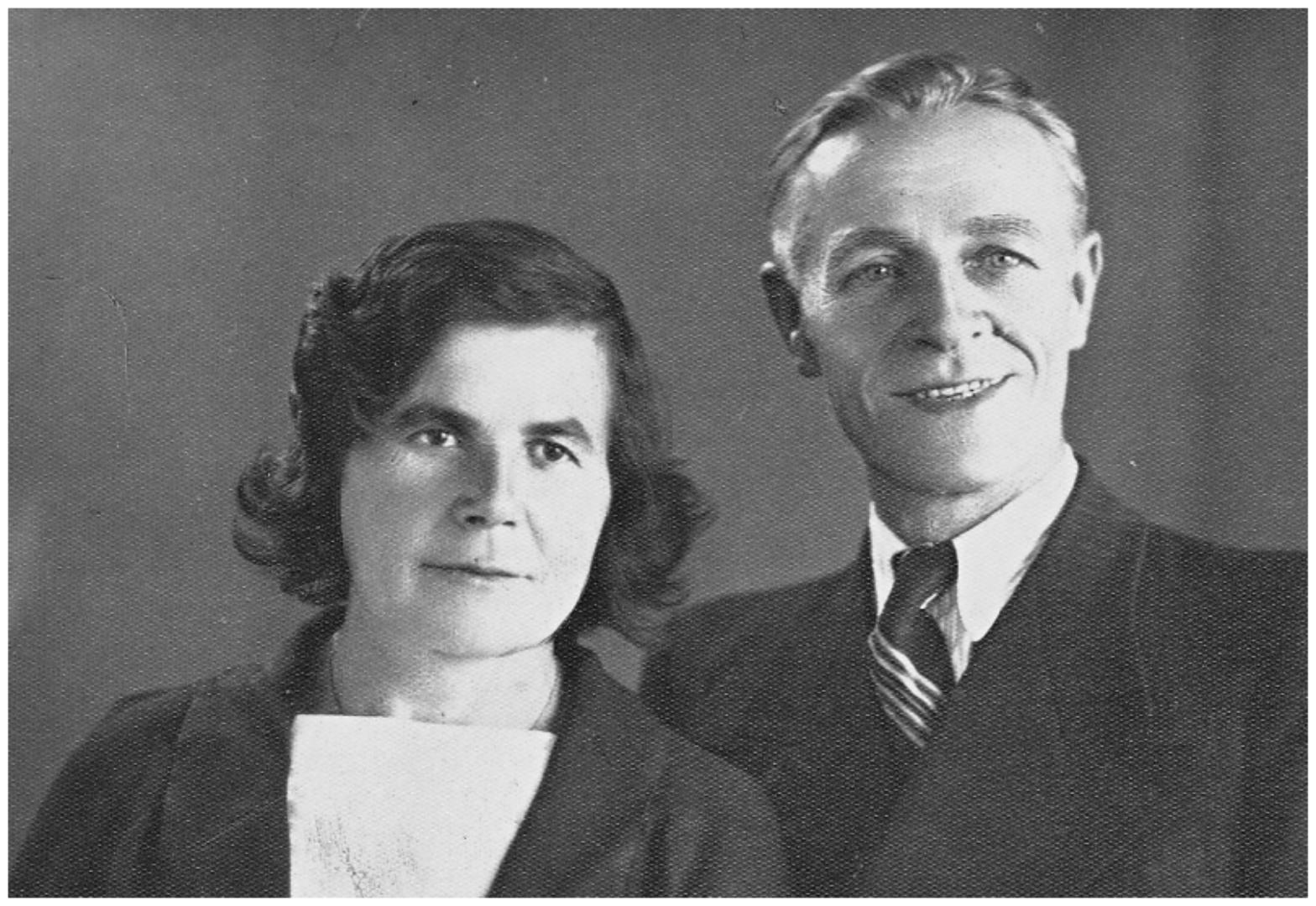
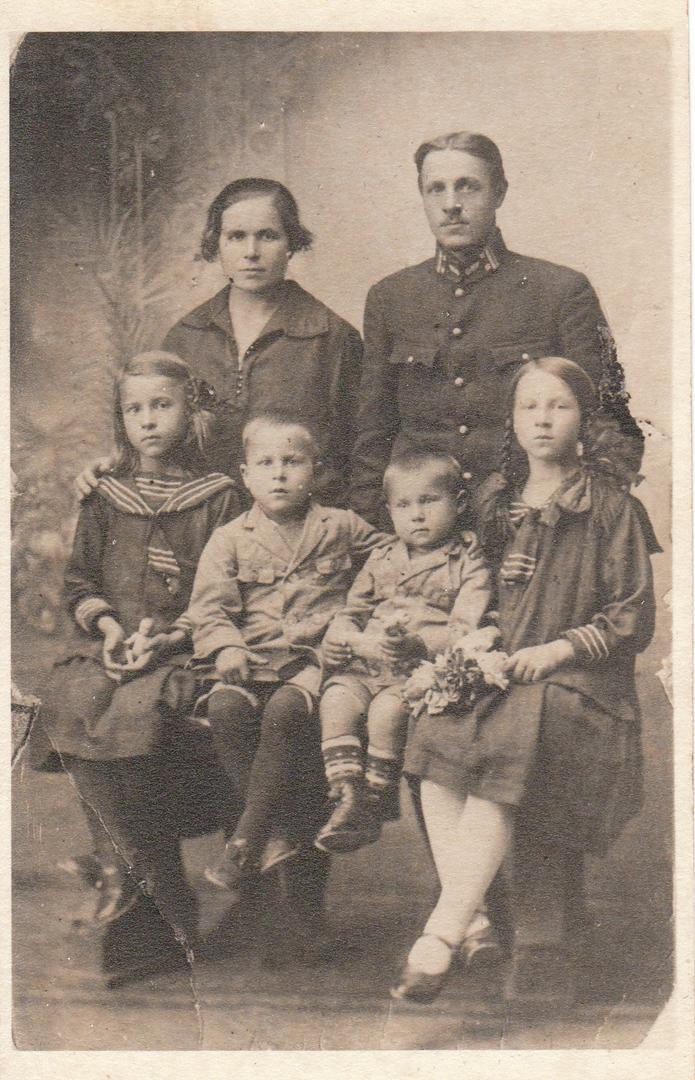
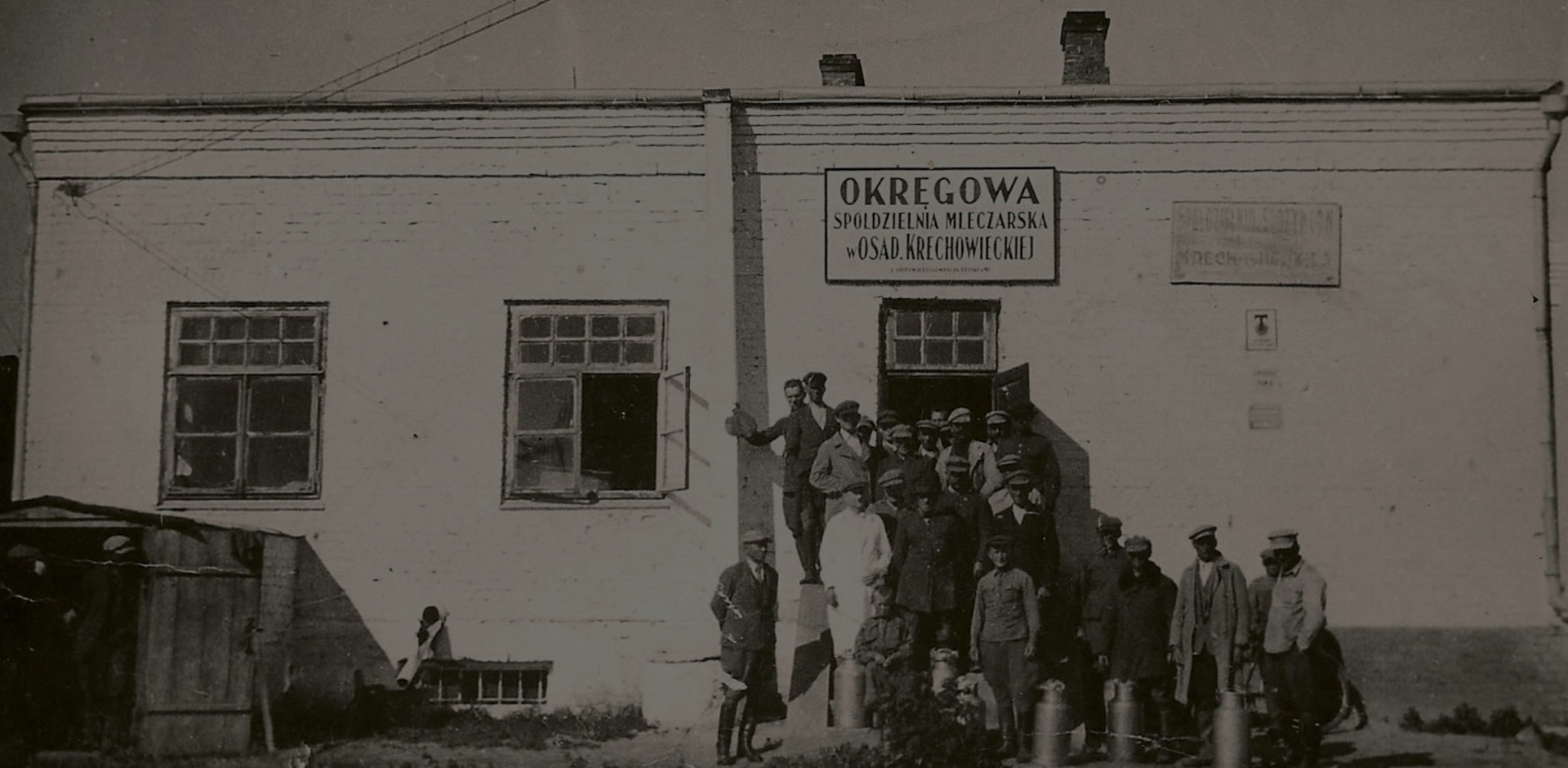
Julian’s parents, due to his father’s work, moved from Warsaw to Olechnowicze in the Vilnius Voivodeship, where he was a deputy stationmaster. They lived next to the station in one of four wooden houses. The village had no church, school, or electricity. His mother ran the house, garden, and cared for the farm animals they had. The sisters initially studied with a neighbour, then moved to Mołodeczno for high school and boarded there. Julian attended a new primary school built about 2 km from their home. When his older brother, Bronisław, was about to start high school, his parents decided to move to Mołodeczno (15-18 km from Olechnowicze) because they couldn’t afford school fees and boarding for their three children. They rented a house, and his father travelled to work at the station in Olechnowicze.
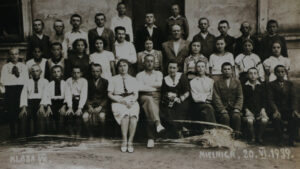
Julian graduated from primary school in Mołodeczno, and then, like his brother, from a public gymnasium in the same town. Both were very active in various sports – volleyball, basketball, discus throw, and javelin throw. His brother won national sports competitions.
Fate during World War II before joining Anders’ Army
After the outbreak of World War II and the Soviet invasion of the Polish Eastern Borderlands, they continued to live in Mołodeczno, and their father worked at the station in Olechnowicze. He didn’t often spend the night at home, fearing arrest by the Soviets. They had no news of Bronisław, who had attended a cadet training course in Toruń before the war.
On the evening of December 24, 1939, the Soviet secret police – NKVD searched their home for two hours before finally arresting their father. He was held in pretrial detention at the Mołodeczno railway station for two weeks, before being taken to an unknown destination. Mr. Olszewski, the stationmaster in Olechnowicze, was also arrested. His wife, their 13-year-old daughter, Halina, and their 15-year-old son, Józef, moved in with the Rybarczyk family in Mołodeczno. There were now eight of them in total.
In the spring of 1940 (April 13, 1940?), the Rybarczyk family — the mother, Julian, Kazimiera, and Maria, along with 12-year-old Zbyszek (Zbigniew), the son of Julian’s father’s brother, who was staying with them, and the Olszewski family — were all deported by the Soviets to Kazakhstan in the second mass deportation of Polish citizens deep into the USSR. Transported by train from Molodeczno station to Shcherbakty station outside Novosibirsk, they traveled six miles by truck to their destination — a collective farm in Kus-Kuduk. There was no permanent work for them there, so they took on odd jobs. Julian cleaned stoves, made bricks with his sisters, journeyed to fell trees for firewood, and so on. At the end of 1940, Julian’s mother learned that her husband had been sentenced to eight years in a Soviet forced labour camp.
After the outbreak of the German-Russian War in June 1941, it was easier for them to find work, as Russian men were conscripted into the Soviet Red Army, and they also knew about the amnesty for Polish citizens. After Christmas 1941, they received a letter from their father informing them that he was already in the Polish Army in Buzuluk. Within 10 days, he arrived to pick up his family and Mrs. Olszewska, but she decided not to travel.
Service in Anders Army and further fates during World War II
The entire Rybarczyk family travelled by train from Kazakhstan to a Polish military camp in Jangi Jul (Uzbek SSR). Julian and his sisters were accepted into the Polish Armed Forces in the USSR, while Zbigniew joined the Junaks. The parents remained in a rented apartment in Jangi Jul.
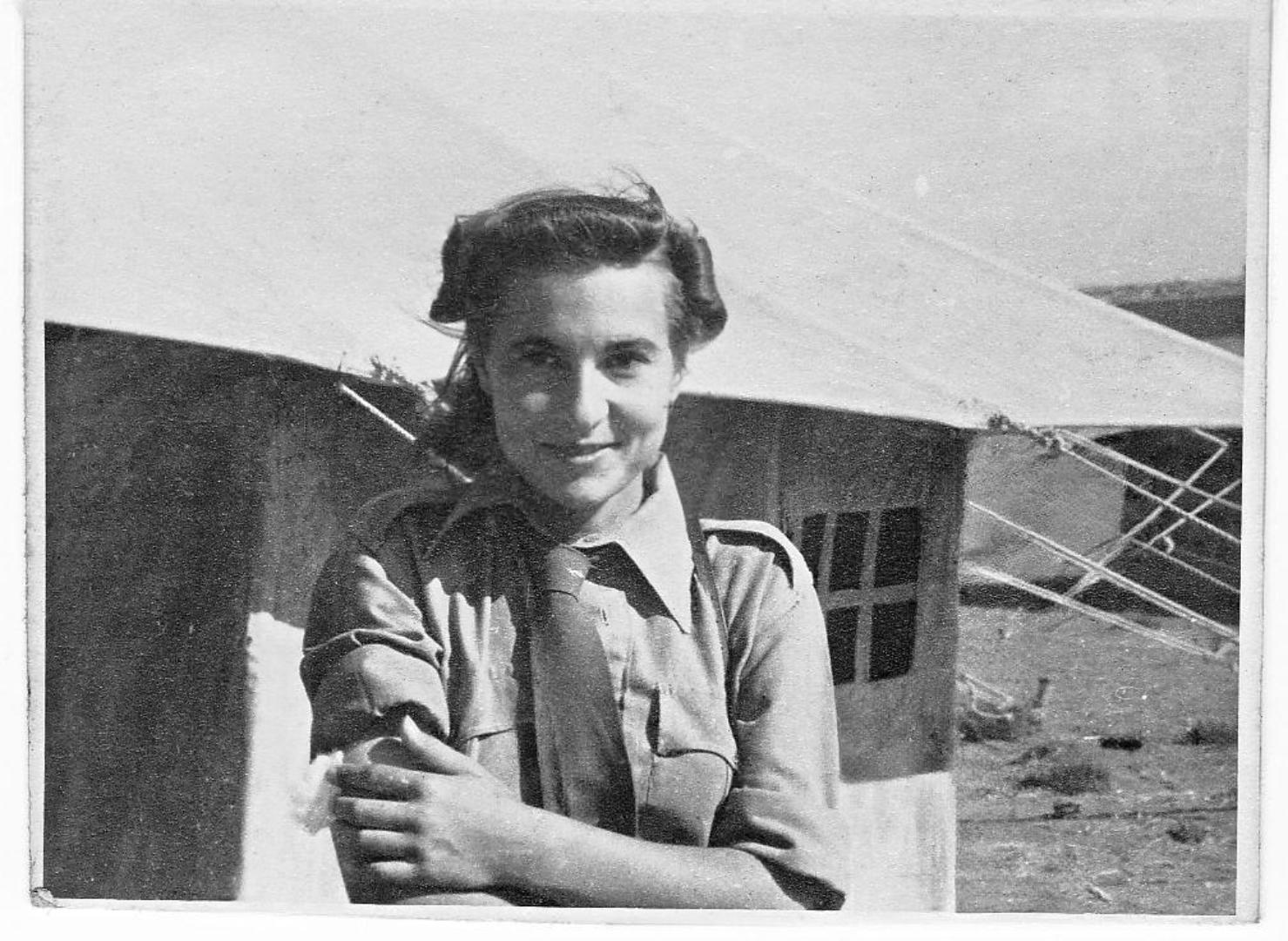
In 1942, Julian Rybarczyk was evacuated by ship from Krasnovodsk (USSR) to Pahlevi (Iran) with Polish troops. He travelled with the Polish Army via Tehran, Ahvaz, Aden, and the Red Sea to Palestine. Following military reorganization in the Middle East, he was assigned to the 3rd Company of the 5th Carpathian Rifle Battalion, 3rd Carpathian Rifle Division, 2nd Corps (3rd Carpathian Rifle Division ID No. 1922/13; Senior Rifleman). Besides intensive training, he was also a highly successful member of the 5th Battalion’s volleyball and soccer teams. He completed numerous courses, particularly in driving various motor vehicles, and was promoted to the rank of officer cadet.
In December 1943, he was transported with units of the Polish 2nd Corps from Egypt to Taranto (Italy). He participated in the Italian campaign of the Polish 2nd Corps, along with his 5th Carpathian Rifle Battalion, 3rd Carpathian Rifle Division, fighting on the Sangro River, in the battle of Monte Cassino, and in the battle of Piedimonte San Germano, where he was seriously wounded. He was awarded the Cross of Valour and promoted to the rank of second lieutenant.
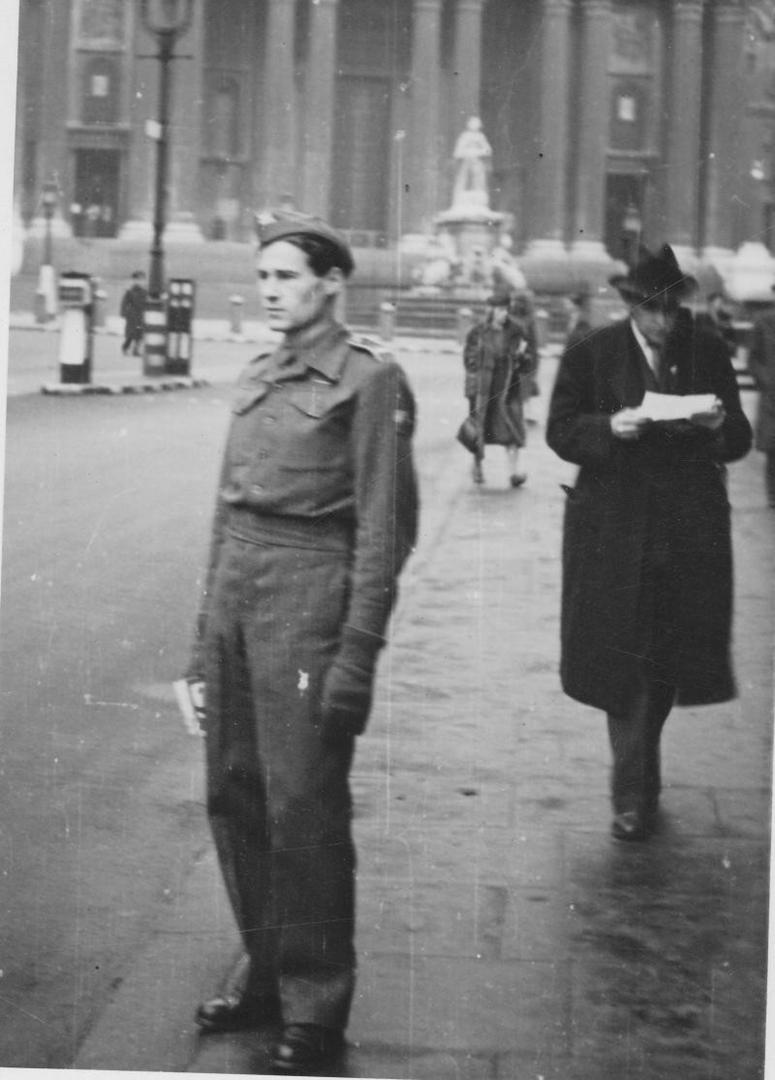
On May 26, 1944, he was sent to the Polish Military Hospital in Italy, and then, due to severe leg wounds, qualified for sea transport to a Polish hospital in Great Britain in July 1944. From Naples, aboard the HS Atlantis, he reached Liverpool in August. From there, along with other wounded Polish soldiers, he traveled by ambulance train to the Polish military hospital in Taymouth Castle, near the village of Kenmore, Aberfeldy, Perthshire, in eastern Scotland. After convalescence, he was sent to a Polish military camp in Peebles in southern Scotland, and then, due to his unfitness for further active military service, to a commercial course for Polish soldiers in Glasgow. The end of World War II found him there. It was here that he met his future wife, Betty Ferguson, whom he married on April 2, 1948, after completing the course and demobilizing from the Polish Armed Forces.
Postwar fates
Julian Rybarczyk was reunited with his family in Great Britain – his sisters and cousin Zbigniew arrived from Palestine, his brother Bronisław, freed from German captivity and, most recently, his parents from a Polish civilian refugee camp in Africa. Due to the Yalta Conference, they lost their family home in Mołodeczno and had nowhere to return to. They also did not want to live in the communist Poland that it became after World War II. They decided to emigrate to Great Britain.
Julian lived with his wife in Glasgow. He worked as a carpet weaver at Templetons carpet factory for two years, then helped his mother-in-law run her shop in Glasgow. In the 1950s, he opened his own business, „The Allied School of Motoring,” a driving school which he ran successfully until his retirement at the age of 73.
Julian was an active member of the Polish community in Glasgow. He regularly visited the SPK (Polish Ex-Servicemen Association) Glasgow Club and the General Sikorski Polish Club. He lived in Glasgow with his wife until retirement.
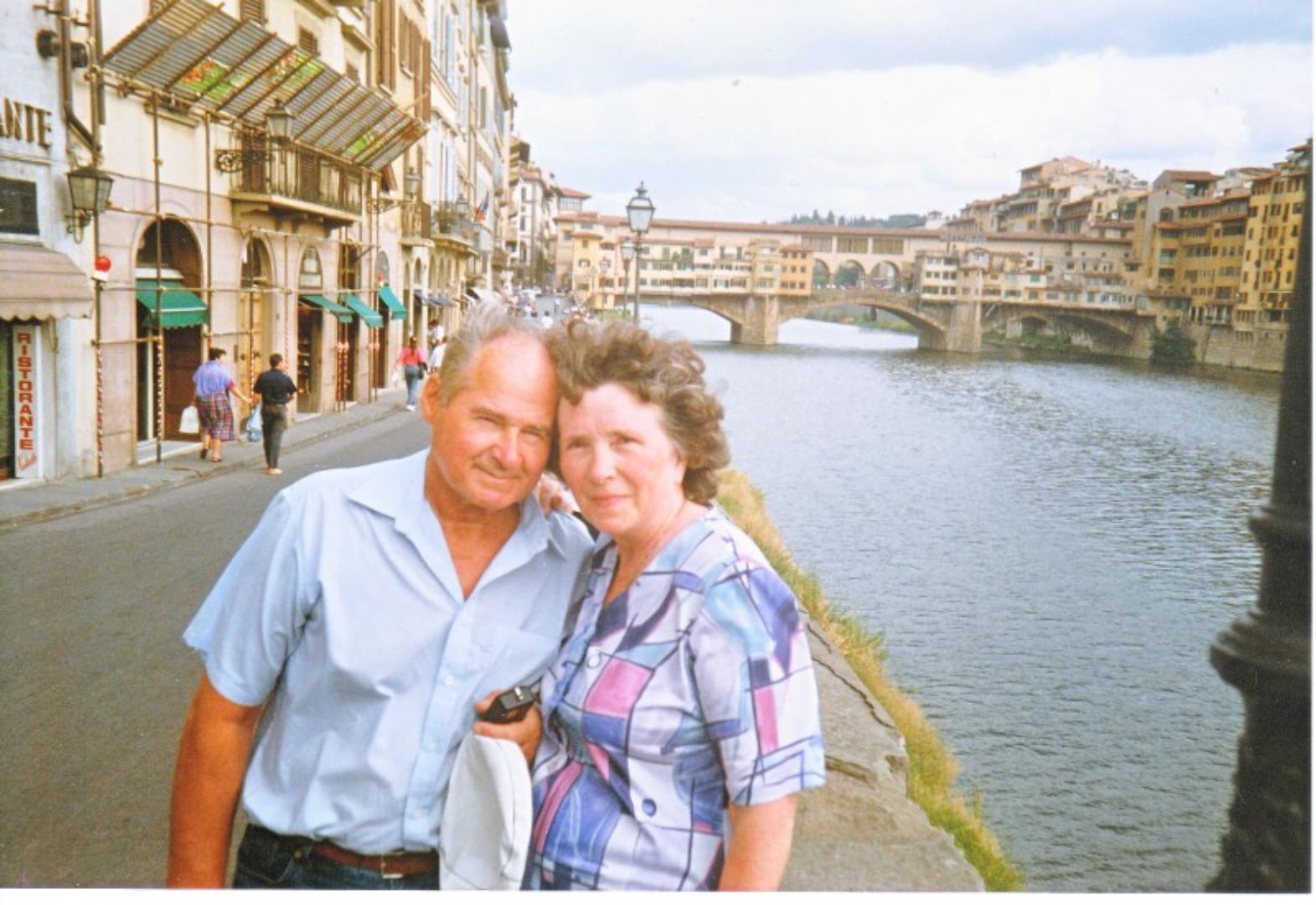
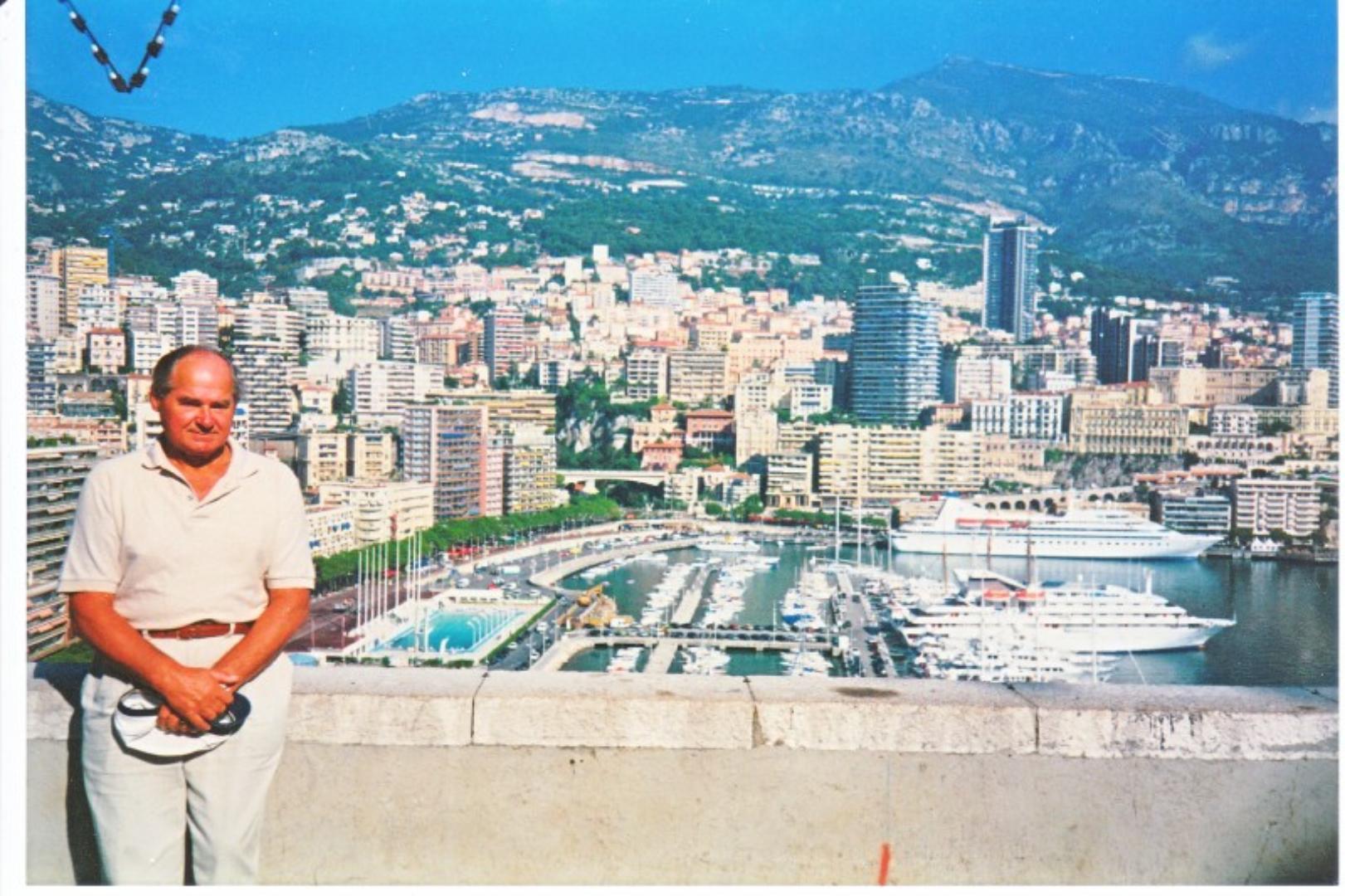
Julian and Betty Rybarczyk had three sons: George (born 1949, worked as an accountant, died March 19, 2006 in France), Antoni (born 1951, architect, died 2023), and Kenneth (born 1961, mathematics teacher). In 1993, Julian Rybarczyk visited Italy and Monte Cassino. Despite the fall of communism in Poland in 1989, he never returned to Poland. He preferred to remember it as it was before World War II.
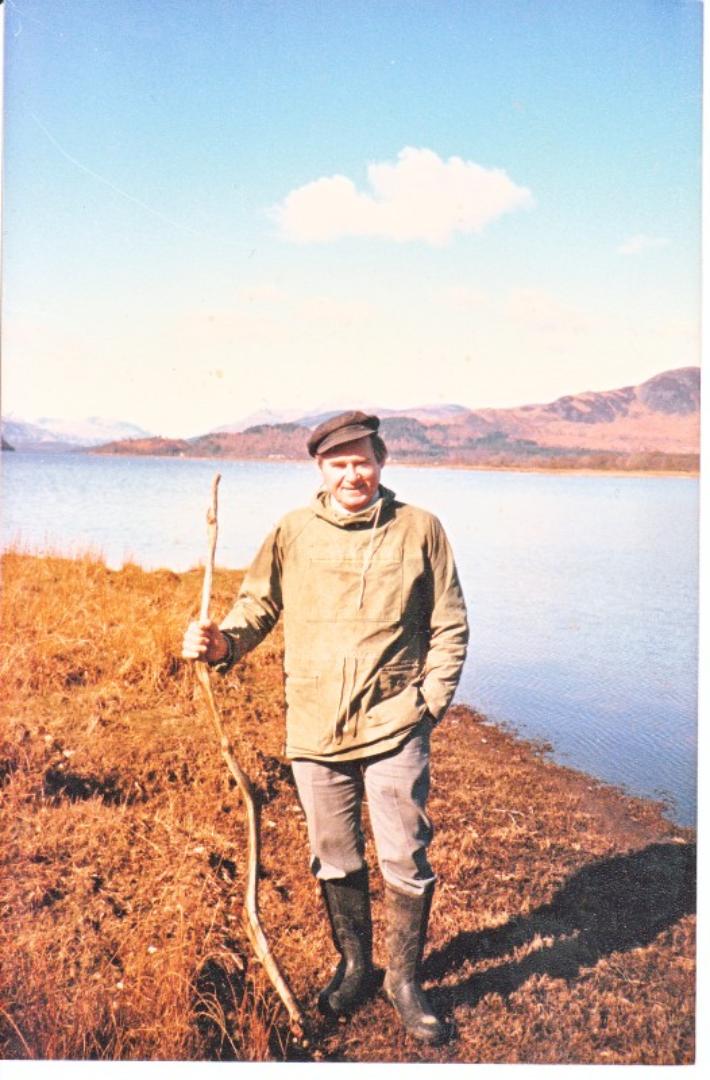
After retiring, he and his wife moved outside Glasgow to Loch Lomond, where they lived happily ever after. He died on 24 October 2016 and was buried in Kilmaronock Cemetery by Kilmaronock Church, Gartocharn (Loch Lomond, Scotland), Stirling Road, Gartocharn, G83 8SB.
The fate of his family members:
Julian Rybarczyk’s wife, Betty Ferguson, a Scot from Glasgow, lost her father at the age of 15 (he died in an accident). During the war, she helped her mother run the family shop in Glasgow. On April 8, 1948, she married Julian Rybarczyk. She ran the house, later completed her education, finished a three-year teacher training course and worked as a primary school teacher in Glasgow until her retirement. She died on December 13, 2022, at the age of 96, and was buried alongside her husband and their son, George.
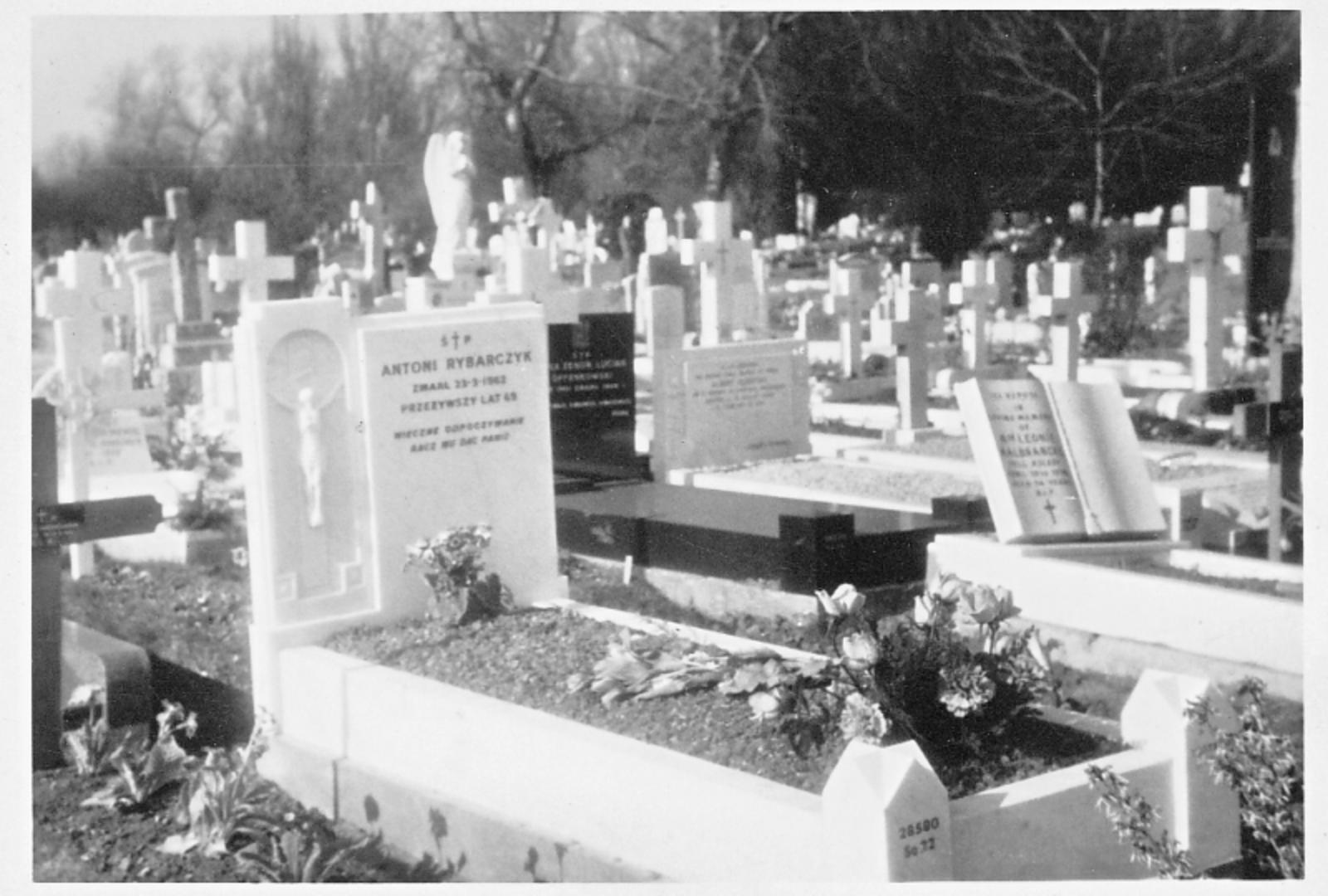
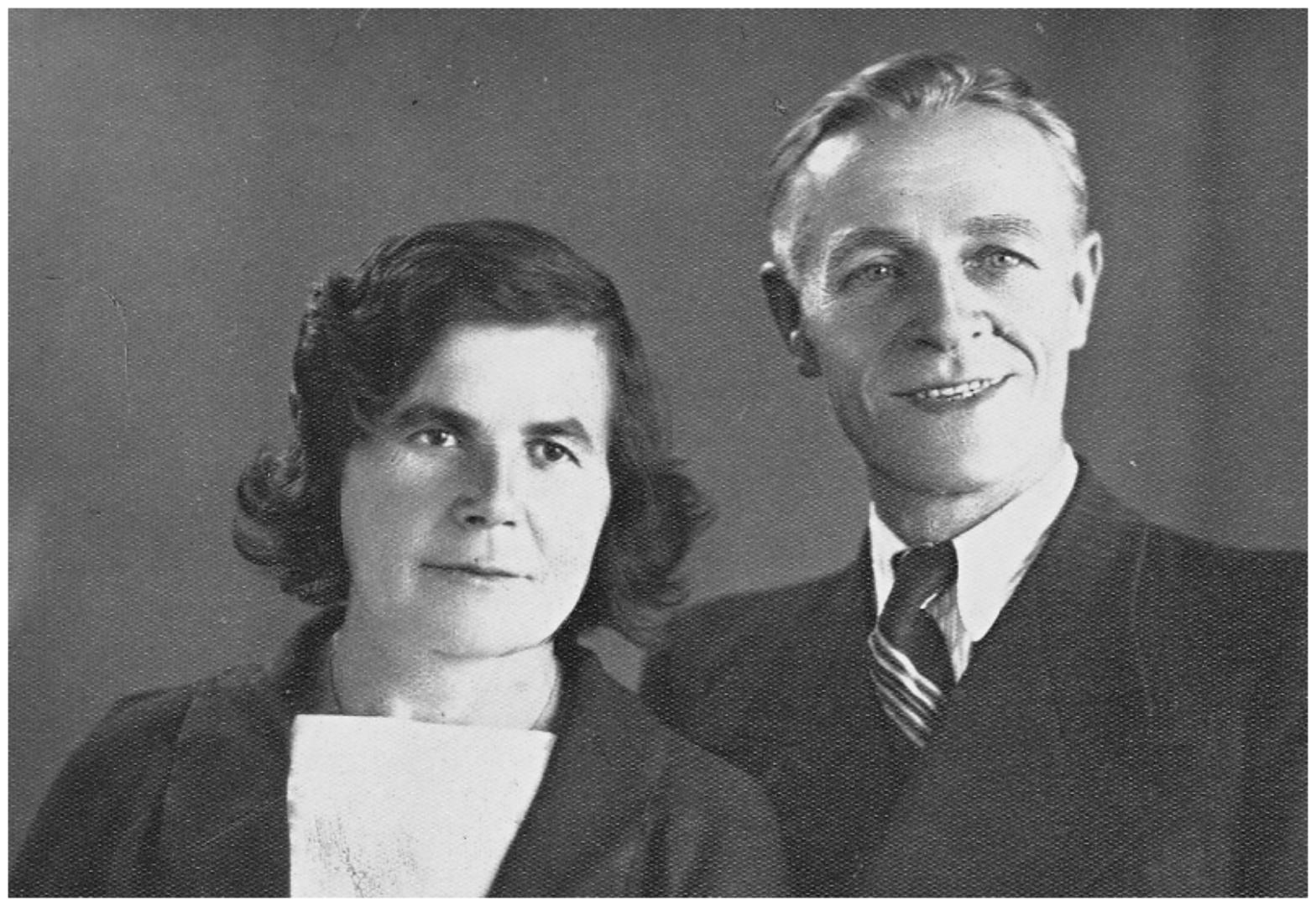
Julian’s father, Antoni (born 1892, in Powsinek near Warsaw, son of Franciszek), was held in prison in Mołodeczno by the Soviets, sentenced on January 9th 1941 and held until June 11, 1941. He was then deported to a Soviet force labour camp in Vorkuta, where he worked from June 11 to October 15, 1941. Released from captivity under the Sikorski-Mayski Agreement, on October 15, 1941, he then joined the Polish Armed Forces in Buzuluk. After finding his family and rejoining the Polish army, he and his wife were evacuated from the USSR in 1942. He initially served in the Polish Army, as did his wife, in the Middle East, but due to their age, first she and then he were sent as civilian refugees to a Polish refugee camp in Tanganyika (now Tanzania, East Africa). After the war, they were reunited with their children in Great Britain. They lived first in a refugee camp in Llwyngwril (Wales). After a year they were transferred to a camp in Bubwith (Yorkshire, England), and then for a year or two to a camp in Penhros (Wales). They eventually settled with their daughter Kazimiera and her husband in London. Antoni Rybarczyk was a social activist in the Polish camp in Africa and in Great Britain, a member of the Polish Ex-Servicemen Association. He died on March 23, 1962, in London and was buried in Streatham Park Cemetery. The mother moved to Julian’s in Glasgow for the last five years of her life. She died in the year 1971 and was also buried in Streatham Park Cemetery.
Zbigniew Rybarczyk – born in Wilanow on 19th February 1927 – after being deported with his father’s brother family from Mołodeczno into Soviet exile, a cadet in the Polish Armed Forces in the USSR from 1942. After evacuation from the USSR, he was a student at the Junak Cadet School in Palestine. After the end of the war, like his cousins, he came to Great Britain. After demobilization, he worked and married a Polish woman in London; they had a daughter, Ewa. His parents and sister survived the war in Warsaw and lived there after the war, where he visited them and tried to help them constantly. His older brother, Henryk (12.10.1915, Wilanów-01.08.1944, Klarysew) served in the Home Army and died on the first day of the Warsaw Uprising as a second lieutenant of the Home Army, codenamed „Jesion” – VII District „Obroża” (Warsaw district) of the Warsaw District of the Home Army – 5th District „Gątyń” (Piaseczno) – „Krawiec” battalion – 3rd company – platoon 1706. Zbigniew Rybarczyk died on 9th November 1997 and his ashes are at the Polish Church in Putney, southwest London along side his wife.
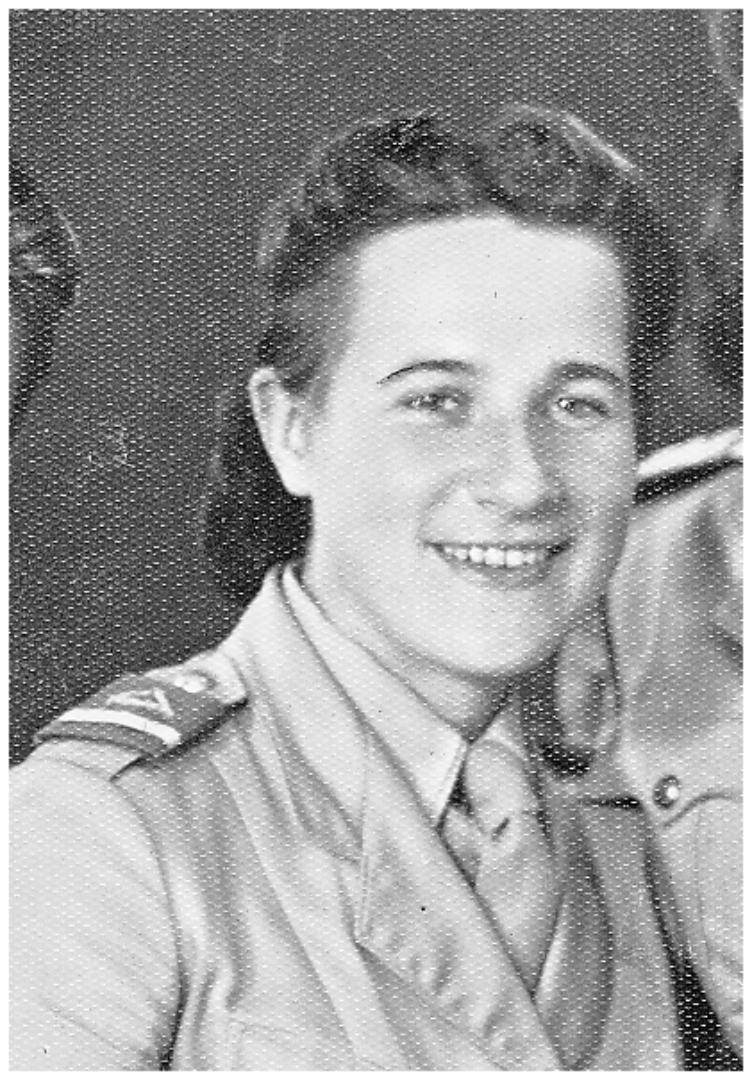
Kazimiera Rybarczyk (married name Kołaczkowska) – born in year 1915 in Powsinek near Warszawa (Poland) – after graduating from high school in Mołodeczno and a teachers’ college (Liceum Krzemienieckie) in southern Poland, she obtained a teaching position at a school near Lwów (Lviv) in Poland. After the outbreak of World War II, in April 1940, Kazimiera with the rest of her family were arrested by the Soviets and sent to Kazakhstan in Siberia. After the 1941 Amnesty and with help from her father who found her, in 1942, she and the rest of her family that was with her were released and permitted to leave Siberia. Kazimiera travelled to the Middle East where she joined the Women’s Auxiliary Military Service (PWSK) of the Polish Armed Forces. There she taught with her sister (Marysia) in schools at the Polish camp in Barbara (Gaza, Palestine), and she learned how to drive an army truck, and had memories of time in Syria and Egypt. After the end of the war, she came to England in 1947 and with her sister lived in a Polish military camp in Herefordshire until demobilization from the Polish Armed Forces. She was also now reunited with her brother (Julian), mother and father who had also found their way to the United Kingdon. Kazimiera moved to and worked in London, where she met and married Stanisław Kołaczkowski, a Polish Citizen who had been captured by the Soviets in 1939 and had been held a prisoner-of-war in Siberia. After the Amnesty, Stanislaw when released, came to Great Britain via the Middle East and India. He had served in Polish Forces under British Command in the Middle East (1942-43) and the United Kingdom (1943-46), becoming a Second Lieutenant in the 1st Independent Parachute Brigade. With Kazimiera they learned to speak English, and both worked until reaching normal retirement age. Kazimiera also played a very active part in supporting the Polish community in Clapham and Balham. With her husband, they lived very happily in London and had two sons and three grandchildren. Kazimiera Kołaczkowska died in 2004 and was cremated – her ashes were placed in an Urn, Crypt No 50, in St John the Evangelist (St. John’s Avenue, Putney, London).
Maria (known as Marysia) Rybarczyk (married name Duszyńska) – born in the year 1917 in Olechnowicze, Poland – like her sister, she graduated from high school in Mołodeczno and attended teachers’ seminary in southern Poland. She then returned to Mołodeczno, where she gave private lessons and led evening classes. After the outbreak of World War II, she was exiled with her family to Kazakhstan and released in 1942. She then joined PWSK of Polish Forces. After evacuation from the USSR, she taught in schools in the Polish camp in Barbara. At the end of the war, like her sister, she came to Great Britain. After demobilisation and her marriage in 1948 to engineer Marek Duszyński, they emigrated to Argentina for a time, eventually returning to Great Britain. She worked as a teacher until retirement, and her husband as an engineer. Marysia died in 2012 and is buried in Dalbeth cemetery.
Decorations:
POLISH
Cross of Valour, Monte Cassino Commemorative Cross (No. 11168), Siberialn Exiles Cross (No. 2-2010-13);
BRITISH:
1939-45 Star, Italy Star, the Defence Medal, The War Medal 1939-45